
Common libGDX Tools

Let us start off with just a few pointers about Android Studio and libGDX. Since Gradle is under active development, there are one important update to the libgdx-setup.jar that is compatible with the latest version (Gradle 1.11).

Another point is that libgdx generates bitmap fonts slightly differently than e.g. Andengine. There is a second tool that takes care of this issue called Hiero. There is a couple of good tutorials on how to use fonts with libgdx.

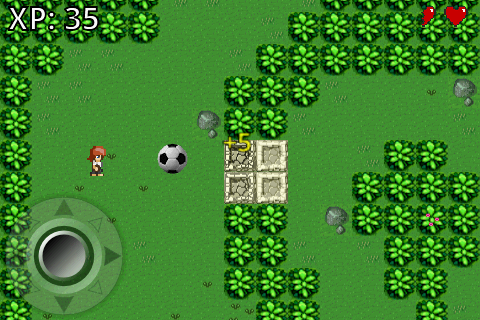
Finally, a classical tool for making tiled TMX maps is the Tiled Map Editor. We used this one to implement one of our first games called Soccer Kid – a retro Zelda inspired type adventure game where the player would kill monsters and explore by kicking around a football. Unfortunately the game had so many bugs (ehheemm…) that we had to take it off the market.

image
image

libGDX

For a couple of years now we have been using AndEngine in our development to craft with graphics for our applications. Its a wonderful APK that has worked flawlessly and improved significantly over time. However, ever since Nicolas Gramlich, its main developer went to work for Zynga things has slowed down somewhat and newer developments like Gradle support is simply not there yet. As we have been considering using Android Studio as a more modern IDE (compared to Eclipse), Gradle has been one of those new features we have been struggling with lately. As a viable alternative we found out about libGDX through a tutorial on game programming in Android Studio. We are currently looking through the API, and it does look very promising! We might come back later with a comparison between the two.

image

We just moved!

Just while setting up things so that SOMETHING shows over here… although it looks like it is finally shaping up! Soon we will be able to put up all that sweet stuff that we wanted to share but skipped since we were lacking a good CMS system. But with tumblr – which indie studio needs CMS anyway?

First day at “work”

Yepp, it is finally happening. Time to jumpstart this tune once and for all (disregarding all previous attempts and all that).

So here we go – first geeky stuff: Managed to get some test-code migrated to the mainframe and now it even runs on the phone. All it does really is displaying GPS-coords, but gotta start somewhere right?I have also checked how to play sound files which should be all I need for the very first step. Off to code space then.